Evaluating WWE Is My Favorite Game T-Shirts: Design Quality, Formats, and Practical Use Cases
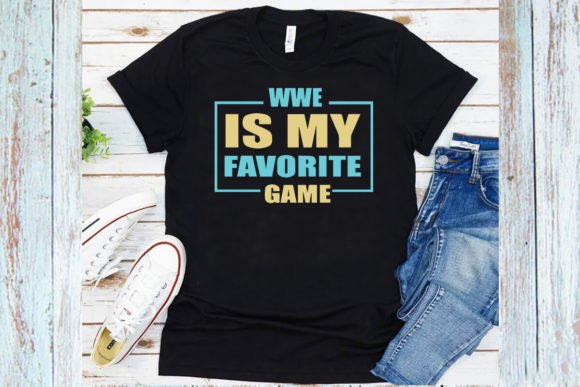
For fans of professional wrestling and print-on-demand entrepreneurs alike, finding apparel that captures the nostalgia of sports entertainment without infringing on intellectual property is a consistent challenge. The "WWE Is My Favorite Game" concept occupies a unique niche in this space. It bridges the gap between fandom and retro gaming aesthetics, offering a design that appeals to adults who grew up watching wrestling during the arcade and early console eras. Unlike generic fan merchandise, this specific design category focuses on the intersection of two distinct subcultures: wrestling history and vintage video game typography.
As a professional t-shirt designer, I approach this asset not just as a piece of fan art, but as a technical resource for creators. When evaluating whether to incorporate this design into a personal wardrobe, a business inventory, or a Teespring store, it is essential to look beyond the visual appeal. The value lies in the technical specifications, versatility across media, and how it compares to other wrestling-themed graphics currently saturating the market. Understanding the distinctions between raster and vector formats, as well as the legal and aesthetic tradeoffs, ensures that your final product meets professional standards.
Distinguishing Features of Retro Wrestling Typography
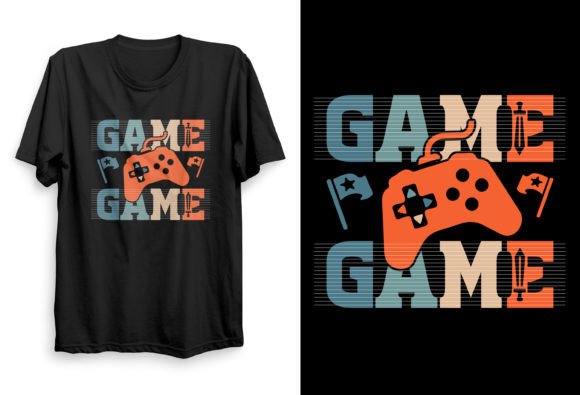
The primary distinction of "WWE Is My Favorite Game" t-shirts is their stylistic homage to 8-bit and 16-bit pixel art. While many wrestling designs rely on realistic portraits or aggressive, modern grunge textures, this style utilizes blocky fonts, limited color palettes, and sprite-based iconography. This creates a softer, more nostalgic tone that resonates with millennials and Gen Xers who view wrestling through the lens of childhood play rather than current storylines.
From a design perspective, this aesthetic offers superior scalability compared to photographic alternatives. Because the artwork is rooted in geometric shapes and solid colors, it reproduces cleanly on various garment colors without requiring complex halftone screening. For sellers using direct-to-garment (DTG) printing, this means fewer ink saturation issues and a softer hand-feel on the fabric. For screen printers, the limited color count reduces setup costs and production time. When comparing this to intricate illustration styles, the retro gaming approach is often more cost-effective for small-batch runs while maintaining high visual impact.
Technical Specifications and File Utility
A critical factor in choosing a design resource is the availability of editable source files. Many marketplace listings provide only flattened PNGs, which limits customization and prevents resizing without quality loss. A professional-grade asset for this niche must include a comprehensive suite of vector and high-resolution raster formats. The instant download package typically includes AI, EPS, PDF, SVG, and a 4500x5400 PNG.
- AI and EPS Files: These are the industry standards for vector editing. They allow designers to modify text, adjust colors, and resize the artwork infinitely for applications ranging from stickers to large-format banners without pixelation.
- SVG Format: Essential for web use and modern cutting machines like Cricut or Silhouette. SVGs maintain crisp edges at any zoom level and are increasingly supported by print-on-demand platforms for sharper output.
- 4500x5400 PNG: This specific resolution is optimized for major POD marketplaces. At 300 DPI, it provides sufficient detail for standard t-shirt printing while keeping file sizes manageable for upload systems.
- PDF Vector: Often overlooked, the vector PDF serves as a universal exchange format that preserves editability for users who may not have Adobe Illustrator but possess alternative vector software like Affinity Designer or CorelDRAW.
Having access to these editable vectors distinguishes a professional resource from a consumer-grade clip art pack. It empowers users to adapt the "WWE Is My Favorite Game" concept to different niches—such as changing the text to reference specific eras, local promotions, or inside jokes—without needing to recreate the artwork from scratch.
Comparing Design Approaches: Vector vs. Raster-Only
When sourcing wrestling-themed apparel designs, buyers generally encounter two categories: pre-rendered raster images and editable vector assets. Understanding the tradeoffs between these options is vital for making an informed decision.
Raster-only designs are often cheaper upfront and require no design skills to use. You simply upload the image and print. However, they lack flexibility. If you want to change the shirt color from black to white, you may find the edges look jagged or the transparency mask fails. Furthermore, if a platform updates its size requirements, a fixed-resolution raster file may become obsolete. Raster files also tend to show compression artifacts when enlarged, leading to a perceived drop in product quality.
Conversely, the vector-based "WWE Is My Favorite Game" assets offer long-term viability. The ability to separate color layers allows for easy adaptation to dark or light garments. Vectors also facilitate better color matching; instead of relying on CMYK conversion guesses, you can assign specific Pantone values for screen printing. While vectors require basic software knowledge to edit, the investment in learning curve pays off in product consistency and brand professionalism. For business owners building a cohesive store aesthetic, vectors ensure that all products share identical line weights and color profiles, something nearly impossible to achieve with disparate raster downloads.
Evaluating Suitability for Different Platforms
The decision to use this specific design style should align with your intended platform and audience. Not every marketplace favors retro gaming aesthetics, and understanding where this design performs best can prevent wasted effort.
Teespring and Merch by Amazon: These platforms favor high-volume, trend-responsive designs. The retro gaming wrestling niche performs well here because it targets a specific demographic overlap. The 4500x5400 PNG included in the package is specifically dimensioned for these services, reducing the risk of rejection due to sizing errors. However, competition is high, so utilizing the editable AI/EPS files to create unique variations is recommended over using the stock template as-is.
Etsy and Independent Stores: Customers on these platforms often seek uniqueness and higher perceived value. Here, the vector format shines. You can offer personalized versions of the shirt (e.g., adding a customer’s name in the pixel font) or bundle the design with matching accessories like tote bags or mugs. The clean lines of vector art translate exceptionally well to embroidery, opening up product lines that raster-heavy wrestling designs cannot support.
Personal Use and Local Events: For individuals creating shirts for a watch party, fantasy league, or personal collection, the ease of use matters most. If you lack design software, the high-resolution PNG is likely sufficient. However, if you plan to work with a local screen printer for a bulk order of 20+ shirts, providing them with the EPS or AI file will likely result in a lower quote and a sharper final product compared to handing over a JPEG.
Tradeoffs and Decision Factors
While the "WWE Is My Favorite Game" aesthetic has significant strengths, it is not universally applicable. Buyers should weigh several factors before committing to this style.
Audience Age Demographics: This design heavily targets those aged 25–45 who recognize both the wrestling references and the gaming font style. Younger audiences accustomed to modern HD gaming graphics may perceive the pixel art as outdated rather than nostalgic. Conversely, older demographics might miss the gaming reference entirely. It is crucial to verify that your target customer base overlaps with this specific cultural intersection.
Intellectual Property Considerations: Even when using original vector art, the phrase "WWE" is a registered trademark. Professional designers and sellers must navigate this carefully. While the provided files are editable, responsible use involves modifying trademarks to avoid infringement. Generic terms like "Wrestling Is My Favorite Game" or references to specific non-trademarked eras are safer alternatives for commercial sales. The editable nature of the vector files makes this adaptation possible, whereas static images would force a seller to either risk infringement or abandon the design entirely.
Design Complexity Limitations: Pixel art is intentionally simple. If your goal is to showcase detailed athlete likenesses or complex scenic backgrounds, this style will feel restrictive. It excels at typography and iconography but struggles with realism. Users seeking photorealistic tributes should look elsewhere, as forcing realistic elements into a pixel-art framework often results in a disjointed aesthetic.
Making the Final Selection
Choosing the right t-shirt design resource requires balancing immediate needs with future flexibility. The "WWE Is My Favorite Game" vector package represents a strong option for those who value editability, retro aesthetics, and cross-platform compatibility. It is particularly well-suited for sellers who understand the importance of file formats and wish to build a scalable product line rather than relying on single-use uploads.
However, if you require zero-edit readiness, photorealism, or are targeting a demographic outside the retro-nostalgia bracket, alternative styles may serve you better. Evaluate your technical capabilities, your audience's preferences, and your long-term branding goals. By prioritizing versatile file formats like AI, EPS, and SVG over convenient but limiting PNGs, you position yourself to adapt to market changes and maintain professional quality across all applications. Whether for personal expression or commercial enterprise, the right asset is one that aligns with both your creative vision and your operational realities.