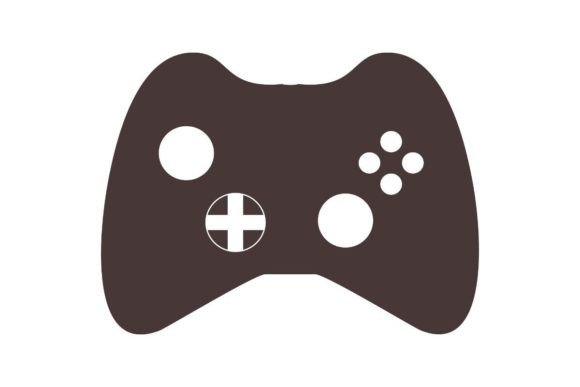
Game Controler, Joystick Icon: Strategic Use for Creative and Business Projects
The Game Controler, Joystick Icon is more than a nostalgic nod to retro gaming—it's a versatile visual asset with strategic value for designers, entrepreneurs, and creators. Whether used in digital design, apparel, or branding materials, this icon carries immediate recognition and emotional resonance. When applied thoughtfully, it can elevate your creative projects, support branding efforts, and enhance user engagement across multiple platforms.
Understanding the Value of Game Controler, Joystick Icon
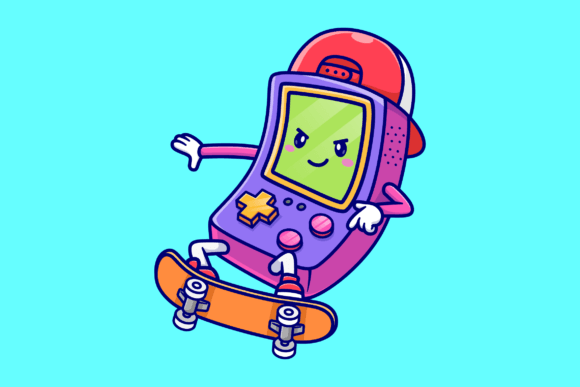
The Game Controler, Joystick Icon represents a universal symbol of control, interactivity, and play. Its clean lines and iconic shape make it ideal for a wide range of applications, from T-shirt designs to digital interfaces. What makes this icon particularly valuable is its ability to convey a sense of fun, precision, and control—attributes that resonate well with audiences across age groups and industries.
From a design perspective, the icon is easily adaptable. Whether you're creating a logo, a website graphic, or promotional merchandise, the Game Controler, Joystick Icon can be integrated seamlessly into your visual strategy. Its flexibility across file formats—SVG, PNG, and EPS—ensures compatibility with design tools like Cricut Design Space, Silhouette Designer Edition, CorelDraw, Inkscape, and Adobe Illustrator.
Strategic Applications Across Industries
Businesses and creators can leverage the Game Controler, Joystick Icon to support various strategic goals:
- Branding: Use the icon to reinforce a brand identity centered around innovation, play, or digital engagement.
- Merchandising: Print the icon on shirts, caps, stickers, and accessories to create appealing, themed merchandise.
- Marketing: Incorporate the icon into digital campaigns targeting gaming communities, tech enthusiasts, or creative audiences.
- Education: Illustrate concepts related to control systems, user interface design, or interactive learning with a familiar visual.
Its symbolic strength lies in its simplicity. The icon communicates control and interaction without needing explanation, making it an effective visual shorthand in both digital and physical contexts.
How to Use Game Controler, Joystick Icon with Purpose
Using the Game Controler, Joystick Icon effectively requires more than just placing it on a design. Strategic integration involves considering your audience, message, and platform. Here are key considerations:
- Define the purpose: Is the icon being used for branding, decoration, or functionality? Clarify its role in your project.
- Match the tone: Ensure the icon aligns with your brand voice—playful, professional, or nostalgic.
- Consider placement: Icons should guide the viewer's eye, not distract. Use them where they enhance usability or visual flow.
- Optimize for format: Use SVG for digital scalability, PNG for transparent backgrounds, and EPS for high-quality print production.
For example, a tech startup creating a branded line of merchandise might use the icon on a minimalist T-shirt design to appeal to a younger, digital-native audience. Meanwhile, an educator designing an interactive learning module might use the icon to symbolize user control in a software interface.
Planning and Implementation Tips
Before incorporating the Game Controler, Joystick Icon into your work, take time to plan how it will support your broader objectives. Ask yourself:
- Does the icon reinforce the intended message or theme?
- Is it being used consistently across different platforms and materials?
- Have I considered file compatibility and resolution requirements for the final output?
Strategic use often involves layering the icon with other design elements to create a cohesive visual language. Whether you're designing for print or digital, always test how the icon appears in context. A well-placed icon can enhance clarity and engagement, while a poorly placed one can confuse or clutter your design.
Long-Term Value and Branding Potential
Icons like the Game Controler, Joystick Icon can become part of a long-term brand identity if used consistently and intentionally. Over time, repeated exposure builds recognition and association. This is particularly valuable for businesses in the gaming, tech, or creative industries, where visual symbols help establish credibility and community connection.
When planning for long-term use, consider how the icon might evolve with your brand. Will it remain relevant as trends shift? Can it be adapted for different campaigns or product lines? These questions help ensure that your use of the icon remains strategic rather than merely decorative.
Common Pitfalls and How to Avoid Them
While the Game Controler, Joystick Icon is a powerful design asset, it can be misused. Common pitfalls include:
- Overuse: Repeating the icon too often can dilute its impact and make your design feel cluttered.
- Misalignment: Using the icon in contexts where it doesn't fit can confuse your audience or weaken your message.
- Lack of originality: Simply copying trends without adding your own creative twist can make your work appear generic.
To avoid these issues, always tie the use of the icon back to a clear objective. Whether it's for branding, merchandising, or digital design, ensure it serves a defined purpose and enhances the overall experience rather than being included arbitrarily.
Final Thoughts: Making Intentional Design Choices
The Game Controler, Joystick Icon offers a unique combination of nostalgia, clarity, and versatility. When used with intention, it becomes more than just a design element—it becomes a strategic tool that supports communication, branding, and engagement. Whether you're creating digital assets, printed merchandise, or interactive content, thoughtful application of this icon can help you achieve better results.
As with any design choice, the key is to approach it with clarity and purpose. Understand your audience, define your goals, and consider how each element contributes to the overall message. By doing so, you'll not only create more effective designs but also build stronger connections with your audience over time.