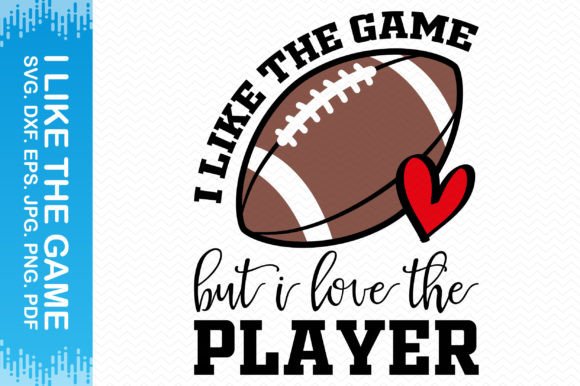
I Like the Game but I Love the Player
Understanding the Concept and Its Practical Role
The phrase I Like the Game but I Love the Player captures a mindset shift—valuing the people, skills, and relationships behind a process more than the mechanics of the process itself. In creative, professional, and personal development contexts, this idea often surfaces when individuals or teams begin to prioritize the human element over rigid structures. Whether in design, marketing, project planning, or personal growth, the focus shifts from "what we're doing" to "who is doing it" and how they contribute meaningfully to the outcome.
This mindset aligns with modern workflow philosophies that emphasize adaptability, collaboration, and emotional intelligence. It reflects a deeper understanding that tools, templates, and systems are only as effective as the people using them. As such, the phrase serves not just as a motivational statement, but as a guiding principle for building sustainable, human-centered workflows.
How I Like the Game but I Love the Player Applies Across Stages
Integrating the philosophy of I Like the Game but I Love the Player can occur at multiple stages of a project or task. Before starting, it encourages selecting the right team members, collaborators, or stakeholders based on their strengths, values, and alignment with the project's goals. During execution, it supports a culture of appreciation and feedback, where individual contributions are acknowledged and optimized. After completion, it fosters reflection on how people shaped the outcome, which informs future team composition, leadership roles, and decision-making frameworks.
For example, in a marketing campaign, early-stage team selection based on creativity and experience can set a strong foundation. Midway, recognizing individual efforts can boost morale and performance. Post-launch, evaluating who contributed most effectively can influence future project assignments and training priorities.
Integration with Tools and Workflows
The concept of valuing people over process doesn't exist in isolation. It works best when integrated with practical tools and resources that support collaboration, communication, and efficiency. Digital asset management systems, project management platforms like Asana or Trello, and design tools like Adobe Creative Suite or Canva all benefit from a people-first approach. When team members feel valued and supported, their engagement with these tools becomes more purposeful and innovative.
Consider a creative team using design software. If the team environment encourages experimentation and personal growth, members are more likely to explore advanced features, share techniques, and produce higher-quality outputs. Similarly, in a small business setting, integrating a CRM system becomes more effective when team members are trained and encouraged to personalize client interactions rather than follow rigid scripts.
File Formats and Creative Use Cases
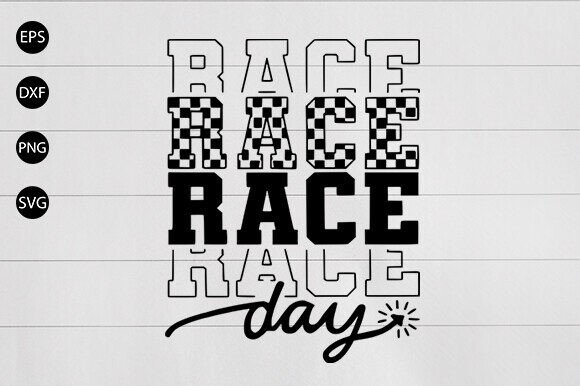
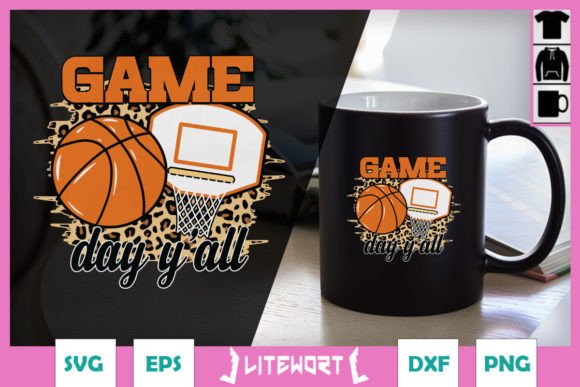
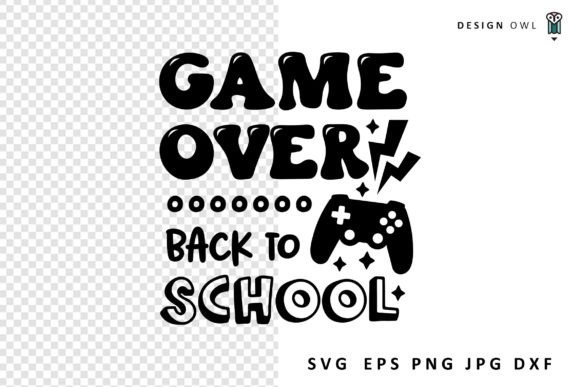
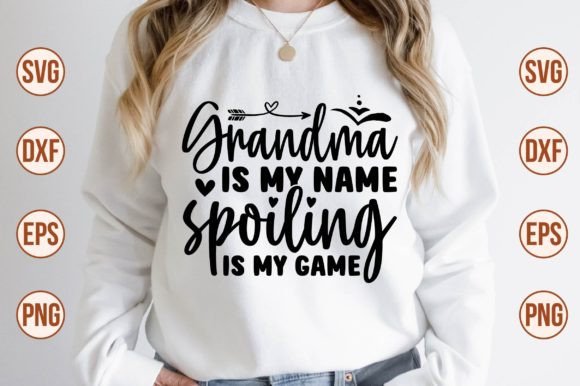
For those who want to visually represent the phrase I Like the Game but I Love the Player in digital or physical formats, a downloadable ZIP folder containing multiple file types offers flexibility. This package includes:
- 1 SVG file – Ideal for Cricut and other cutting machines, perfect for custom crafts, signage, or apparel.
- 1 DXF file – Compatible with Silhouette Studio and CorelDRAW, suitable for laser cutting and vector-based design projects.
- 1 PNG file – With a transparent background, this is great for digital overlays, print-on-demand products, and graphic design.
- 1 JPG file – A standard image format for printing and digital use, especially useful for marketing materials and social media graphics.
- 1 EPS file – A vector format that allows for scalable resizing without loss of quality, ideal for professional design applications.
- 1 PDF file – Perfect for print-ready layouts and multi-page documents, especially when combining text and visuals.
These files empower users to incorporate the phrase into physical products, digital branding, motivational materials, or personal projects. Whether creating custom apparel, branded merchandise, or visual presentations, having access to multiple formats ensures compatibility with different tools and workflows.
Practical Implementation Tips
To make the most of both the mindset and the available design files, consider the following implementation strategies:
- Define the purpose – Determine how you want to use the phrase. Is it for a motivational poster, a t-shirt design, a digital graphic, or part of a larger branding effort? Clarity of purpose will guide your format selection and design approach.
- Choose the right format – For cutting machines, SVG or DXF files are best. For print and digital use, PNG or JPG may be more appropriate. For scalable designs, EPS and PDF offer flexibility.
- Customize thoughtfully – Use vector editing software to adjust colors, fonts, and layout to match your brand or personal style. Ensure the final design aligns with your intended message and audience.
- Test before production – If you're creating physical items, do a small test run to check alignment, color accuracy, and overall quality before committing to a larger batch.
- Organize for reuse – Save variations of your design in a consistent file structure so you can easily access them for future projects or updates.
By approaching implementation with intention and structure, you ensure that both the concept and the design files contribute meaningfully to your goals.
Workflow Integration and Compatibility
Successfully integrating I Like the Game but I Love the Player into a workflow requires more than just selecting the right file format. It involves aligning the message with your team's values, project goals, and communication strategies. Compatibility with existing tools and processes is key. For instance, if your team uses a digital asset management system, ensure that the SVG, PNG, or PDF files are properly tagged and categorized for easy retrieval.
Similarly, in collaborative environments, sharing design files in accessible formats (like PDF or PNG) ensures that everyone can view and understand the visual message, even if they don’t have specialized software. For those who do, offering the EPS or SVG files allows for deeper customization and reuse across different platforms and applications.
Long-Term Use and Quality Control
One of the advantages of having multiple file types is the ability to maintain quality over time. Vector formats like SVG and EPS ensure that the design remains sharp and scalable, regardless of how many times it's resized or repurposed. This is especially important for branding materials, where consistency is key. Maintaining a high standard of quality helps reinforce the message and ensures that the visual representation of I Like the Game but I Love the Player remains impactful across different uses and audiences.
Additionally, establishing a naming convention and folder structure for these files helps streamline future use. For example, labeling files with version numbers or use cases (e.g., "I_Like_The_Game_Player_SVG_v2_cricut") makes it easier to track changes and avoid confusion.
Final Thoughts on Implementation
Whether you're using I Like the Game but I Love the Player as a motivational mantra or a visual design element, its value lies in how it enhances your workflow, team culture, and creative output. By selecting the right file formats, customizing with intention, and integrating thoughtfully into your existing processes, you can ensure that the phrase becomes more than just a design—it becomes a meaningful part of your personal or professional identity.
Ultimately, the phrase serves as a reminder that people are at the heart of every process, and by valuing them, we create more engaging, effective, and enduring outcomes.