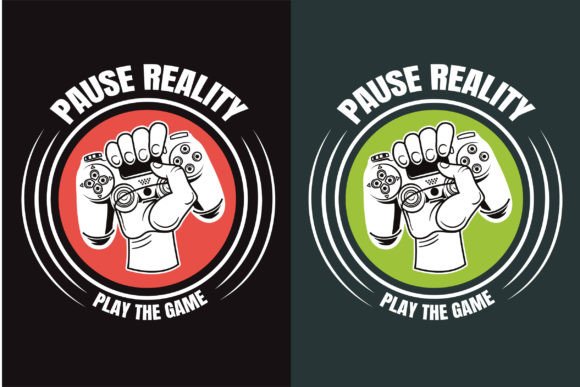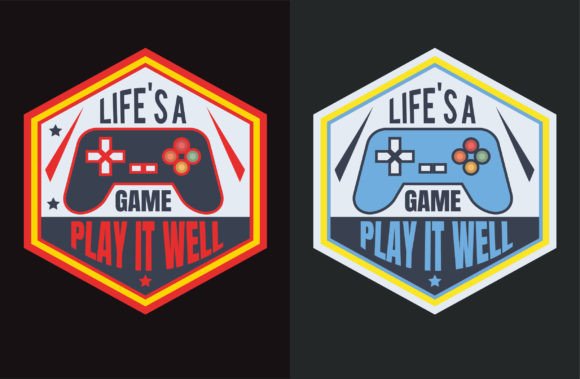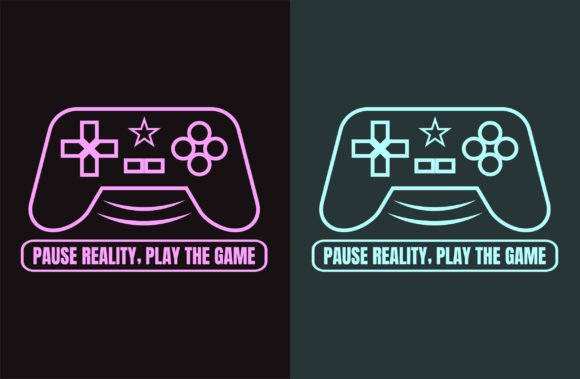
Pause Reality, Play the Game - 12: Strategic Asset Utilization for Gaming Brands
In the competitive landscape of gaming merchandise and digital content creation, visual assets are not merely decorative elements; they are strategic tools that define brand identity and operational efficiency. Pause Reality, Play the Game - 12 represents more than a specific apparel design or a catchy slogan. For entrepreneurs, marketers, and creators in the gaming niche, it functions as a scalable vector asset system designed to bridge the gap between creative expression and commercial viability. Understanding this resource requires shifting perspective from viewing it as a simple t-shirt graphic to recognizing it as a modular component of a broader merchandising and branding strategy.
The core value proposition of Pause Reality, Play the Game - 12 lies in its technical architecture. Built with 100 vector shapes and provided in source EPS and high-resolution PNG formats, this asset eliminates the friction often associated with adapting designs across different mediums. For decision-makers managing print-on-demand businesses, streaming brands, or community events, the ability to resize without quality loss and modify colors instantly is a significant operational advantage. It transforms a static design into a dynamic template that can be deployed across dark apparel, social media overlays, stream banners, and promotional materials with minimal additional labor.
Operational Efficiency Through Vector Scalability
One of the primary challenges in gaming merchandise production is maintaining visual integrity across diverse applications. A raster-based image may look acceptable on a standard cotton tee but fails when scaled for a convention backdrop or compressed for a mobile store listing. Pause Reality, Play the Game - 12 addresses this through its 100% vector construction. This technical specification is directly tied to business outcomes, specifically reducing revision cycles and expanding product catalogs without increasing design overhead.
When integrating this asset into your workflow, consider the following strategic applications:
- Cross-Platform Consistency: Use the EPS source file to generate exact color matches for embroidery, direct-to-garment printing, and digital marketing assets, ensuring the "Pause Reality" aesthetic remains cohesive.
- Rapid Iteration: Leverage the 100 color-changeable feature to create seasonal variants or team-specific editions for esports organizations without redrawing the artwork.
- Resolution Independence: Utilize the vector nature to produce large-format signage for LAN parties or expo booths using the same master file used for apparel.
This level of versatility supports lean operations. Instead of commissioning unique artwork for every new SKU or campaign, professionals can treat Pause Reality, Play the Game - 12 as a foundational brand element that adapts to context. This approach conserves budget for customer acquisition and product development while maintaining a high perceived value in the visual presentation.
Aligning Visual Identity with Audience Psychographics
The phrase "Pause Reality, Play the Game" resonates because it articulates a specific psychological state valued by the target demographic: adults aged 20–50 who view gaming as a legitimate form of stress relief, social connection, and cognitive engagement. When deploying this asset, the goal should be to reinforce this narrative rather than simply displaying a logo. The sleek design and dynamic typography mentioned in the product description are functional choices that signal maturity within the gaming space, distinguishing the brand from juvenile or overly aggressive aesthetics.
Strategic positioning involves matching the asset’s tone to your specific business objectives. For a productivity app targeting gamers, the "Pause Reality" concept can be reframed as a focus tool. For an apparel brand, it serves as an identity marker for those who balance professional responsibilities with gaming passions. The vibrant graphics and breathable fabric association suggest performance and comfort, attributes that appeal to adult consumers who prioritize quality over novelty.
Before launching a campaign featuring Pause Reality, Play the Game - 12, conduct a brief audit of your current visual language. Does this asset complement your existing palette? Does the typography align with your brand voice? Intentional integration means adjusting the editable vector elements to harmonize with your ecosystem, rather than pasting a generic asset onto unrelated products. Customization is key to authenticity; use the source files to tweak spacing, weight, or accent colors so the design feels proprietary to your brand.
Technical Implementation and Risk Mitigation
While the accessibility of ready-to-print assets accelerates time-to-market, reliance on them carries inherent risks if not managed with clear intent. The most common pitfall is brand dilution through non-exclusive usage. If multiple sellers utilize Pause Reality, Play the Game - 12 without modification, the market becomes saturated with identical visuals, eroding perceived value and confusing consumers.
To mitigate this risk and maximize ROI, adopt a derivative strategy:
- Modify Structural Elements: Use the EPS file to rearrange the 100 vector shapes. Changing the layout creates a distinct visual fingerprint while retaining the original theme.
- Layer with Proprietary Assets: Combine the base design with your own custom illustrations or text treatments. This hybrid approach leverages the professional foundation of the asset while ensuring uniqueness.
- Contextual Adaptation: Adjust the color profile specifically for your medium. The "easy change color for dark t-shirt" feature should be used to optimize contrast for specific fabric blends, not just as a default toggle.
Furthermore, verify licensing terms before commercial deployment. Ensure that your usage of Pause Reality, Play the Game - 12 complies with intellectual property guidelines for your intended scale. Professional diligence in this area prevents legal complications and protects brand reputation. Treat the asset as a starting point for creativity, not a final destination. The goal is to leverage high-quality resources to enhance your unique value proposition, not to replace your creative direction entirely.
Enhancing Customer Experience Through Quality Signals
In e-commerce and digital branding, visual fidelity acts as a proxy for product quality. A pixelated logo or poorly balanced composition suggests low-effort manufacturing, regardless of the actual fabric quality. The 300dpi transparent PNG and crisp vector lines of Pause Reality, Play the Game - 12 serve as trust signals to discerning buyers. When customers perceive professionalism in the marketing assets, they transfer that confidence to the physical product.
For educators and content creators, this principle extends beyond sales. Using polished, well-structured visuals in presentations or streams communicates respect for the audience's time and attention. The "Game On" ethos embedded in the design translates to a commitment to excellence in delivery. Whether you are selling merchandise or teaching game design theory, the visual wrapper sets expectations.
Practical application involves testing the asset across all customer touchpoints before launch. Verify how the transparent PNG renders against various website backgrounds. Test print samples on the actual garments you intend to sell to confirm color accuracy and placement. These validation steps ensure that the promise made by the digital asset is fulfilled by the physical experience. Consistency builds loyalty; discrepancies breed returns and negative reviews.
Long-Term Value and Asset Lifecycle Management
Sustainable growth requires viewing design assets through a lifecycle lens. Pause Reality, Play the Game - 12 offers longevity due to its timeless thematic relevance and technical flexibility. Unlike trend-chasing memes that expire in weeks, the concept of pausing reality to engage in play has enduring appeal among adult gamers. This makes it a safer long-term investment for brand building.
Maximize this lifespan by archiving your customized versions systematically. Maintain organized layers in the EPS file, documenting color codes and modification history. This institutional knowledge allows future team members or contractors to iterate on the design without starting from scratch. As your brand evolves, the asset can be retired, refreshed, or repurposed based on performance data.
Monitor metrics associated with products featuring this design. Track conversion rates, return reasons, and customer feedback specifically linked to the visual style. If Pause Reality, Play the Game - 12 drives higher engagement than other assets, analyze why. Is it the color scheme? The typography? The emotional resonance? Use these insights to inform future asset acquisition or internal design development. Data-driven evaluation transforms a single purchase into a strategic learning opportunity.
Making Informed Decisions on Creative Resources
Ultimately, the decision to incorporate Pause Reality, Play the Game - 12 into your portfolio should be grounded in strategic fit rather than impulse. Evaluate it against your current gaps: Do you need faster turnaround times? Are you lacking professional-grade vector art for dark apparel? Does the messaging align with your Q3 marketing themes?
For freelancers and small business owners, resources like this represent leverage. They allow solo operators to compete visually with larger studios by providing enterprise-grade foundations at accessible price points. However, leverage only works when applied correctly. Success comes from thoughtful adaptation, rigorous quality control, and alignment with broader business goals.
Approach this asset as a practitioner would: test, measure, refine, and integrate. Avoid the temptation to use it "as is" simply because it is convenient. The difference between a generic storefront and a compelling brand often lies in the extra hour spent customizing vectors, adjusting colors for specific contexts, and ensuring the visual narrative supports the customer journey. By treating Pause Reality, Play the Game - 12 as a strategic component rather than a commodity, you elevate both your operational efficiency and your market position.